
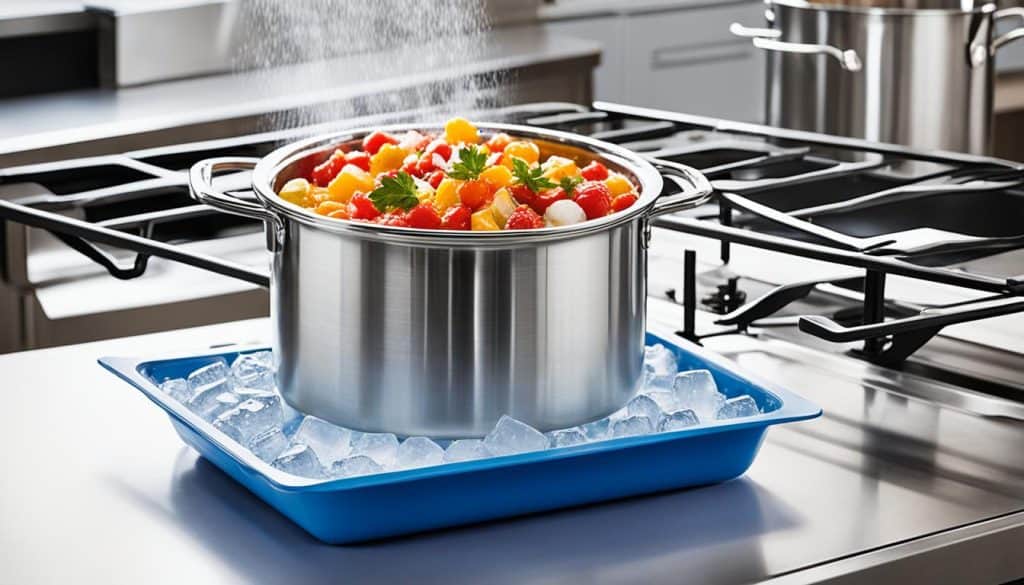
In pursuit of ensuring public health and averting foodborne illnesses, it is imperative to recognize that proper cooling food practices are more than a mere recommendation—they are an essential aspect of food safety. Traditional methods, while effective, may not always suit every situation, especially when resources are constrained or when handling unprecedented volumes of food. In this context, identifying an acceptable alternative for cooling food is not just advantageous, but sometimes necessary to maintain high food safety standards.
Key Takeaways
- Ensuring food is cooled properly is critical to prevent foodborne illnesses.
- Acceptable alternatives to traditional cooling methods are vital in certain scenarios.
- Utilizing methods like ice-water baths and blast chillers can enhance food safety.
- Each alternative cooling method is adaptable to the type and volume of food.
- Maintaining compliance with food safety regulations requires awareness and proper application of alternate cooling methods.
Understanding the Importance of Safe Cooling Practices
In the realm of food preparation, ensuring the safety and integrity of food products is paramount. Safe cooling practices are a critical component of overall food safety protocols and are instrumental in hindering the proliferation of foodborne pathogens. Implementing reliable methods and tools, such as cooling logs and adhering to food safety compliance guidelines, is fundamental in preserving public health.
The Two-Stage Cooling Method: A Foundation for Food Safety
The two-stage cooling method stands out as a resilient strategy against the risks posed by the temperature danger zone. This method advocates for foods to be cooled from 135°F to 70°F within the first two hours, and subsequently to 41°F within the following four hours. Achieving safe temperatures expeditiously is essential to prevent the spread of harmful bacterial growth.
Identifying the Temperature Danger Zone for Foodborne Pathogens
Championing food safety necessitates a thorough understanding of the temperature danger zone. This is a temperature range between 41°F and 135°F where bacteria can rapidly multiply, increasing the risk for contamination and food-related illnesses. Recognizing and maintaining vigilance within this zone is indispensable in the fight against foodborne pathogens.
Documenting Procedures: The Role of Cooling Logs in Food Safety
Diligence in documenting procedures through the use of cooling logs is a testament to a kitchen’s commitment to food safety compliance. These records not only foster accountability but also provide tangible evidence of adherence to prescribed safe cooling practices, effectively mitigating potential health risks.
| Stage | Temperature Range | Time Target | Primary Goal |
|---|---|---|---|
| 1 | 135°F to 70°F | 2 hours | Swift Reduction |
| 2 | 70°F to 41°F | 4 hours | Securing Safety |
When Cooling Food: An Acceptable Alternative
In the quest for maintaining food safety, finding acceptable alternatives for cooling food is vital, especially when handling bulk quantities that require swift reduction in temperature. Traditional methods might not always be feasible due to constraints of time, equipment, or space. In such cases, exploring safe methods that adhere to health standards while keeping efficiency in mind is key.
One such method involves the use of ice-water baths, which is particularly effective for rapidly reducing the temperature of food items by immersing them in a cold environment. This is a widely-used technique in commercial kitchens due to its simplicity and effectiveness. Furthermore, ice paddles are another practical tool to stir into liquid foods like soups or stews to facilitate quick cooling, minimizing the window for potential bacterial growth.
Blast chillers represent a more advanced alternative, harnessing the power of rapid air movement to cool foods quickly and evenly. Though this option may represent a higher investment, it pays dividends in the enhancement of food safety and quality preservation, especially for delicate or high-volume items.
Choosing the right method involves considering factors such as the volume, density, and moisture content of the food. The table below showcases the acceptable alternatives for cooling food alongside considerations for their use:
| Cooling Method | Ideal Use | Considerations |
|---|---|---|
| Ice-Water Bath | Small to medium batches | Ensure water remains cold; stir food regularly |
| Ice Paddles | Liquid foods | Immerse paddles for quick temperature drop |
| Blast Chillers | High volume/delicate foods | Consistent cooling; requires equipment investment |
By incorporating these safe methods into your kitchen’s routine, you not only adhere to food safety protocols but also streamline your operations. Always remember that the proper implementation of these acceptable alternatives will ensure both the safety and the quality of the cooling food process.
Effective Strategies for Cooling Large Quantities of Food
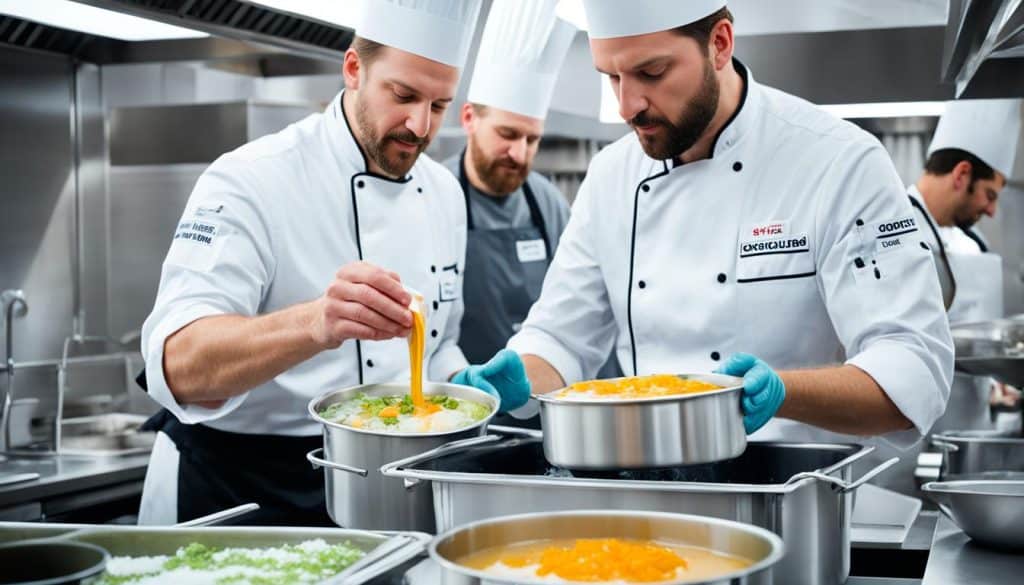
When tasked with cooling large quantities of food, identifying efficient cooling methods becomes imperative for food service professionals. A key technique to achieve this is the distribution of food into shallow pans. This approach allows for more surface area exposure, leading to more expedient temperature reduction. By transitioning dense or liquid food items into these pans and segmenting larger, thicker pieces into smaller, more manageable sizes, the cooling process is significantly accelerated. This tactic not only promotes rapid heat dissipation but is also in line with safety guidelines to prevent bacteria proliferation.
In addition to spatial considerations, the choice of materials used in cooling plays a pivotal role in food safety. Stainless steel containers are favored over their plastic counterparts due to their excellent thermal conductivity, which enhances heat transfer away from the food. By utilizing stainless steel, kitchens are able to leverage efficient cooling methods, thereby adhering to the stringent timelines established for food safety protocols. The use of stainless steel is a noteworthy example of employing practical food cooling strategies that align with industry standards.
Monitoring and documenting the temperature decline is equally critical in affirming the safety and efficacy of any method employed to cool large quantities of food. Real-time temperature checks, combined with meticulous records, form the backbone of a transparent and accountable cooling process. Such diligent practices ensure compliance with food safety regulations, while providing tangible evidence of the food’s journey to safe temperature levels. Implementing these foundational strategies, kitchens can master the art of efficient cooling, safeguard the health of their patrons, and maintain the highest quality of food safety management.