
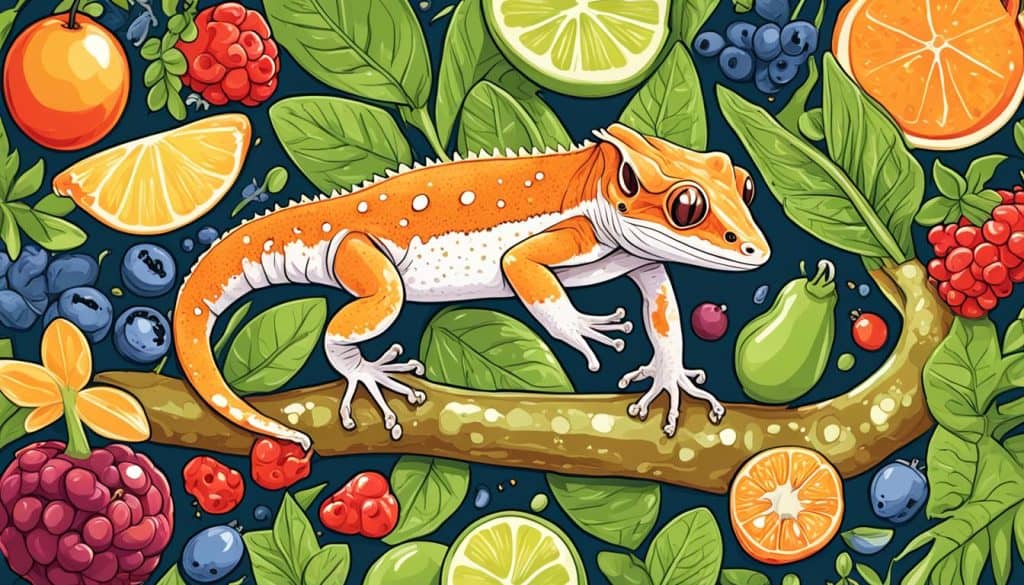
When caring for a crested gecko, it’s not uncommon for owners to encounter periods where their pet may refuse to eat. Understanding how long these resilient reptiles can go without food is essential for maintaining their health and well-being. It is typical that crested geckos can safely endure a foodless phase for up to two to three weeks, a time during which careful monitoring is crucial. However, access to clean water remains non-negotiable, as hydration is a vital need irrespective of their eating habits. Let’s explore the factors influencing their appetite and the best practices to follow during these delicate times.
https://www.youtube.com/watch?v=IfwtRyOt6kg
Key Takeaways
- Crested geckos can survive up to 2-3 weeks without food but require constant access to water.
- A new environment may cause temporary appetite loss as the gecko adjusts.
- Activity levels during dawn and dusk are high – optimal times for feeding.
- Young geckos may need up to 10 days before they begin eating in a new home.
- If no appetite is displayed after two weeks, seek veterinary advice.
- Observing the gecko’s regular feeding times can help mitigate periods of non-eating.
Understanding Crested Gecko Dietary Needs
Ensuring the health and longevity of crested geckos begins with understanding and meeting their specific nutritional requirements. An appropriately balanced diet is crucial for maintaining their well-being.
The Importance of Nutrient-Rich Diets for Crested Geckos
Crested geckos thrive on a variety of nutrient-rich foods that contribute to their overall health. Selecting high-quality commercial diets formulated specifically for them simplifies providing a balanced intake of essential nutrients. These diets often include the right mix of vitamins, minerals, and protein. Brands such as Arcadia, Pangea, Repashy, and others have developed prepared diets that address all the primary dietary needs of crested geckos, making it easier for pet owners to offer proper nutrition. While feeder insects are not strictly necessary when using these complete diets, they can be provided to offer variety and stimulate natural hunting behavior.
Common Dietary Mistakes for Pet Crested Geckos
A common pitfall in the diet of pet crested geckos is relying on inadequate food sources like baby food or fruit puree, which can lead to significant health issues, including metabolic bone disease. Ensuring a diet composed primarily of a complete crested gecko diet, with occasional calcium-dusted insects, fosters better health outcomes and provides a more natural dietary experience for these reptiles.
Optimal Feeding Frequency Based on Age
Age-specific dietary regimens are imperative for the well-being of crested geckos. Juveniles have different feeding needs compared to adults, often requiring more frequent feeding to support their rapid growth. Additionally, acclimating obese geckos to a modified feeding schedule can help in managing weight. Consistent and patient adherence to these guidelines is vital to achieving desired health outcomes.
| Age Group | Crested Gecko Diet | Insects | Notes |
|---|---|---|---|
| Juvenile (0-12 months) | Daily | 1-2 times per week | Higher frequency supports growth |
| Adult (12+ months) | Every 2-3 days | 0-1 times per week | Adjusted as per activity and health |
| Obese | Every 2-3 days (smaller amounts) | 0-1 times per week (optional) | For weight management |
Offering a constant supply of fresh water and maintaining proper misting practices in the habitat are non-negotiable elements for keeping crested geckos hydrated. Always observe your pet closely for any changes in appetite or behavior, and seek veterinary consultation to address potential dietary issues.
How Long Can Crested Geckos Go Without Food
Understanding the resilience of crested geckos in fasting periods is crucial for proper care. Remarkably, crested geckos can survive without food for up to 2-3 weeks, a testament to their hardiness as reptiles. However, it’s vital to acknowledge that their need for water remains imperative; lack of hydration can prove more detrimental than the absence of food.
Transitions to new environments often witness crested geckos refraining from food, commonly not eating for several days. This behavior is a normal adjustment process. Moreover, they exhibit peak activity at twilight hours—dawn and dusk—aligning with their natural feeding times.
For fledgling crested geckos, adapting to a new habitat could mean a reluctance to eat for up to 10 days. Concern should arise if a crested gecko extends beyond a two-week period without consumption; such circumstances call for expert insights from a veterinarian to preclude potential health issues.
Outlined below is a concise overview of this survival capability, offering insights into their feeding patterns pertinent to various life stages and conditions.
| Condition | Duration Without Food | Notes |
|---|---|---|
| New Environment | Up to 10 days | Adjustment behavior is typical in new surroundings. |
| Normal Adult | 2-3 Weeks | Survives without food but requires consistent water access. |
| Peak Activity Times | Dawn & Dusk | Most likely to consume food during these periods. |
| Concern Threshold | After 2 Weeks | Recommended to seek veterinary advice if no eating occurs. |
It’s essential for caretakers to observe and understand their crested gecko’s behavior and dietary needs, ensuring a content and healthy pet that thrives under their watchful eye.
Ensuring Proper Hydration and Recognizing Signs of Hunger
Proper hydration is critical to the health and well-being of crested geckos. These creatures, native to the humid forests of New Caledonia, require continuous access to clean water. Pet owners should implement a routine of misting the habitat once daily, preferably before bedtime, to mimic the natural dew of their environment. This practice encourages hydration as crested geckos instinctively lick water droplets from the enclosure’s walls and decorations, ensuring they remain well-hydrated.
Observant owners can detect signs of hunger in their crested geckos by noting changes such as decreased activity levels, visible weight loss, and reluctance or refusal to eat. It is crucial for owners to promptly address these signs to avert potential health issues. One should consult a herpetological veterinarian to assess and rectify any nutritional discrepancies. It is highly recommended to abstain from hand-feeding, as this can lead to a dependence that interferes with the gecko’s natural foraging behaviors, ultimately resulting in inadequate nutrition.
To support their overall health, crested geckos should reside in a well-proportioned terrarium equipped with ample hiding places and maintained within the appropriate temperature range. Such an arrangement not only facilitates stress reduction but also simulates a natural and comfortable habitat for these unique pets, encouraging normal feeding behaviors and enhancing their quality of life. Owners who ensure these vital elements are consistently met will favorably impact the longevity and vitality of their crested gecko companions.