
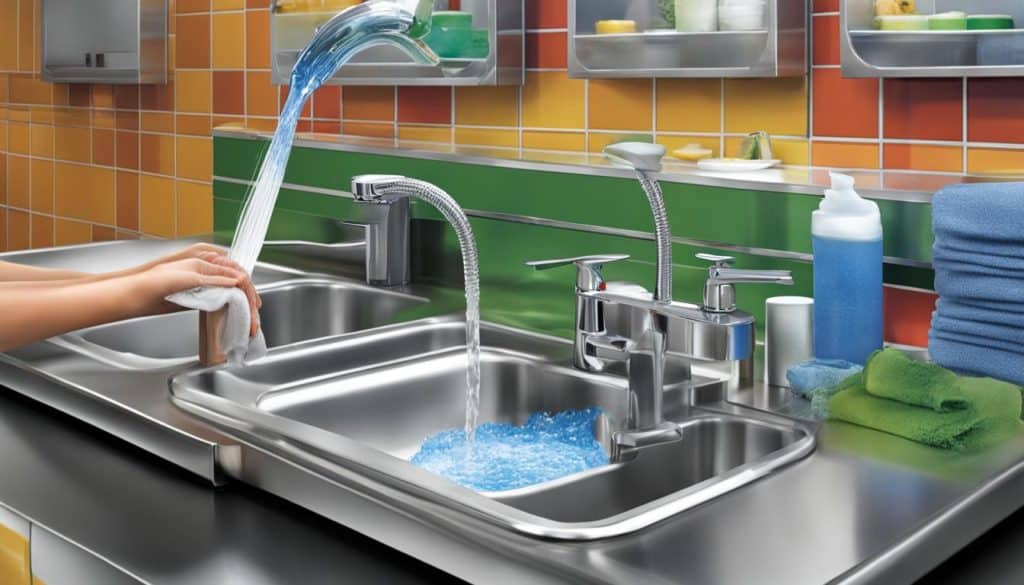
The health and safety of consumers rest in the hands of food employees, whose adherence to stringent hygiene practices is both a professional requirement and a public health imperative. The critical moment of transitioning from handwashing sinks back to the preparation area encapsulates an often overlooked yet essential part of maintaining food safety standards: the use of an appropriate item post-handwashing. This object, though seemingly insignificant, plays a pivotal role in preventing the recontamination of clean hands as employees return to their duties.
Understanding the necessity of this essential item involves a comprehensive look at the subtle nexus between rigorous handwashing techniques and the persistent efforts to safeguard against contaminants in the dynamic environment of food service. Food employees equipped with the correct tool can ensure the purity of their freshly washed hands is preserved, battling the ever-present threat of cross-contamination as they engage with the ingredients and equipment around them.
Key Takeaways
- The significance of an essential item for maneuvering handwashing sink faucets post-handwashing.
- Awareness of cross-contamination risks even after thorough handwashing.
- The role of this tool in fortifying food safety protocols.
- Best practices for food employees in transitioning from handwashing to food preparation areas.
- Key factors to consider in choosing the appropriate item for post-handwashing use.
Understanding Hand Hygiene and Food Safety in the Culinary Environment
The intersection of hand hygiene and food safety is a cornerstone of public health, especially within the culinary environment. Acknowledging the essential role habitually clean hands play in preventing foodborne illnesses, it’s clear that constant vigilance and stringent practices are non-negotiable. A deep dive into these protocols not only underscores their importance but also provides pivotal guidelines for food handlers aiming to uphold the highest standards of safety and cleanliness.
The Importance of Handwashing in Preventing Foodborne Illnesses
Effective handwashing practices are critical in mitigating the risk of cross-contamination and preventing foodborne illnesses. Not only does thorough cleaning of hands reduce the presence of harmful microorganisms, but it also serves as the first line of defense against viral contamination and bacterial contamination that can quickly spread through a kitchen and beyond.
Establishing Effective Handwashing Protocols for Food Handlers
To ensure a baseline of food safety, the formulation and implementation of effective handwashing protocols are paramount. Such protocols include guidelines on the technique, duration, and frequency of handwashing. Ensuring food handlers are well-trained and understand the critical importance of these practices is key to maintaining a safe culinary environment.
The Role of Hand Hygiene in Mitigating Viral and Bacterial Contamination Risks
Hand hygiene is indisputably one of the most powerful tools in combating the spread of pathogens in any food safety-conscious setting. Regular and proper hand cleansing is essential to control both viral contamination and bacterial contamination, ensuring a safer consumer experience and a healthier community at large. By adhering to evidence-based hand hygiene procedures, the risk posed by these contaminants can be significantly lowered.
Which Item Would a Food Employee Use to Touch the Handwashing Sink Faucets After Washing Their Hands?
Ensuring that food employees do not recontaminate their hands after diligent handwashing is pivotal. An often-overlooked aspect of a robust food safety protocol involves the item used to touch handwashing sink faucets during the sensitive post-handwashing phase. It’s incumbent upon those in the culinary industry to acknowledge that the contact surface of sink faucets may harbor potential contaminants, thus necessitating an intermediary tool or method to negate the risk of transferring pathogens back onto clean hands.
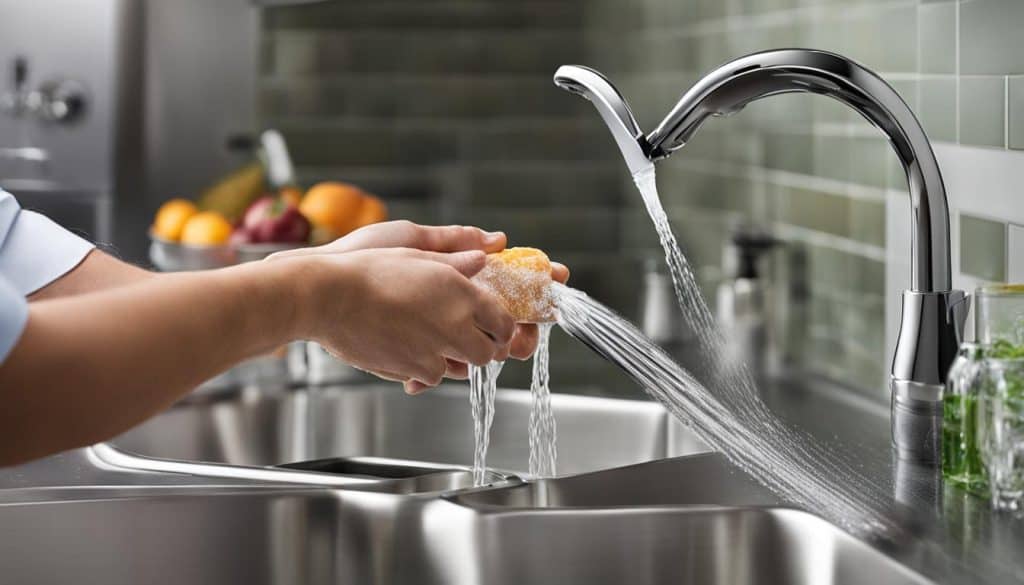
In the quest to identify the most suitable item, several options come into consideration; each serves to provide a barrier between the clean hands of a food employee and the potentially unclean faucet. These items range from disposable paper towels to specific faucet handles designed for elbow operation. This section will dive deeper into discerning the ideal choice for food establishments committed to upholding the highest levels of hygiene and safety.
- Disposable Paper Towels: They are beneficial as a one-use item that can grip and turn off faucets without direct hand contact, then be disposed of immediately.
- Elbow-Operated Faucet Handles: These are becoming more common in foodservice establishments to sidestep the need for a food employee to touch the faucet at all with their hands.
- Foot Pedal Systems: An emerging technology where sink operation is foot-controlled, significantly reducing touchpoints above the basin.
- Automatic Faucets: Employing sensors to initiate water flow negates the need for post-handwashing contact altogether.
It is critical that when selecting the perfect item for post-handwashing procedures, food service managers consider the ease of implementation, cost-efficiency, and compatibility with existing handwashing stations. Furthermore, consistent education and training on the chosen method is essential, so that each food employee integrates this practice effectively into their personal hygiene routine, thus protecting both their health and that of the customers they serve.
Selecting the Proper Tool to Maintain Hand Cleanliness After Washing
In the foodservice industry, hand cleanliness is not just about proper washing techniques; it also involves the actions taken after washing to ensure hands remain clean. The goal is to touch as few surfaces as possible, and for this reason, selecting the proper tool is essential. A frequently used tool is a paper towel dispenser that permits touchless access. This can effectively prevent cross-contamination by providing a barrier between clean hands and potential sources of contamination, such as faucet handles.
Hand sanitizer dispensers present another popular choice for maintaining hand cleanliness, offering an extra layer of protection, especially when soap and water are not immediately available. They can be strategically placed near the handwashing sinks to prompt hand hygiene continuity. However, when choosing a sanitizer dispenser, it is crucial to opt for models designed to minimize contact, like automatic dispensers, which dispense sanitizer when a hand is placed beneath it.
The factors to consider when selecting the proper tool include ease of use, accessibility, and the ability to use without direct contact. Furthermore, the chosen tool should not only be effective but must also comply with health and safety standards. By meticulously considering these aspects, food service establishments can significantly reduce the risk of post-handwashing contamination and uphold the highest hand cleanliness standards.