
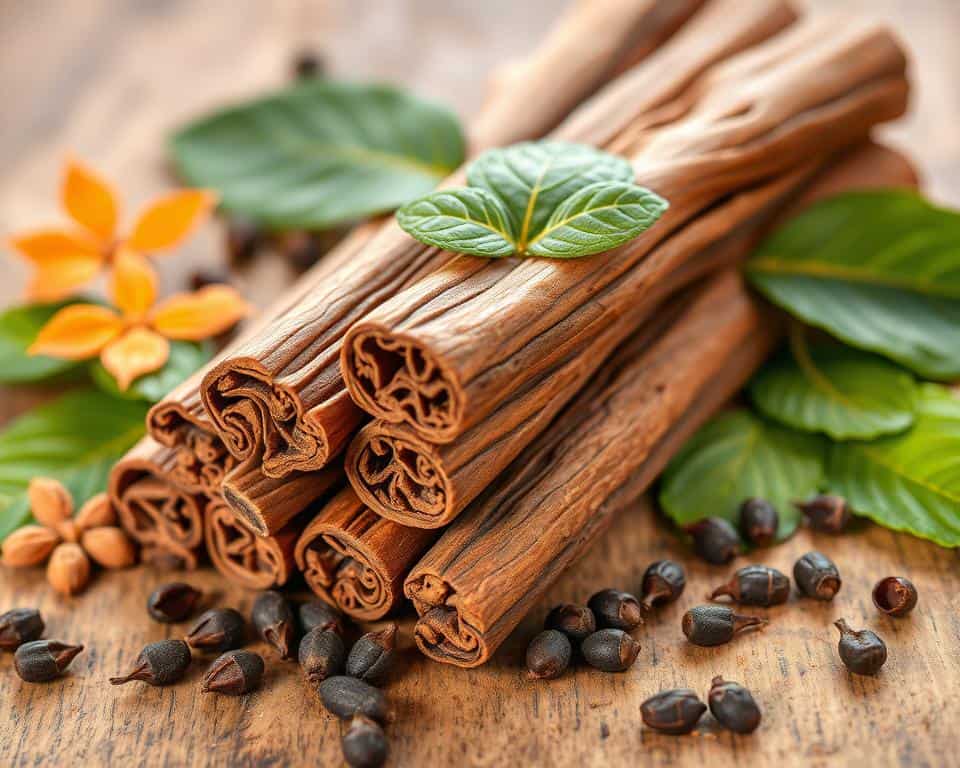
Vietnamese cinnamon comes from Central and Northern Vietnam’s mountain areas. It is known worldwide for its strong scent and taste. This cinnamon has a dark, often mottled bark that shows its quality. Because of its high oil level, it burns brightly when lit. This shows its strength.
Key Takeaways
- Vietnam is one of the leading cinnamon producers, accounting for a significant portion of global cinnamon exports.
- Vietnamese cinnamon typically has a 4-6% oil content, higher than many other varieties, contributing to its rich flavor.
- Cassia cinnamon, the most commonly exported variety from Vietnam, has an oil content of approximately 4-5%.
- Saigon cinnamon, a premium variety of Cassia cinnamon, has an oil content of approximately 6-7%, higher than most other types of cinnamon.
- Vietnamese cinnamon is available year-round, with peak harvest seasons typically occurring from October to January.
Introduction to Vietnamese Cinnamon
Vietnamese cinnamon, or Cinnamomum loureirii, is famous for its sweet smell and high oil content. It comes from Vietnam’s highlands and is a top pick for chefs everywhere. This spice’s unique, deep flavor sets it apart.
This cinnamon variety has up to 5% essential oils. That’s more than the 1-3% in Cassia and 2-3% in Ceylon cinnamon. Its strong, spicy, and sweet flavors are perfect for cooking and drinks. It makes dishes taste amazing.
Vietnamese cinnamon has less coumarin, making it safer for everyday use. Unlike Cassia cinnamon, it won’t harm you if you have a lot. Eating 1-2 grams daily can cut blood sugar by nearly 29%. This shows its health perks.
Every year, the Central Highlands of Vietnam make about 10,000 tons of cinnamon. Northern Vietnam adds 5,000 tons more. This huge amount helps Vietnam stand out in the spice market. You can find vietnamese cinnamon in sticks, powder, or oil.
This spice is also full of antioxidants, more than blueberries or green tea. Antioxidants help fight off harmful molecules in your body. Its oils can also kill harmful germs and fungus. This makes it great for your health.
Organic Vietnamese cinnamon grows without harmful pesticides. This keeps its quality high for everyone. Thanks to this careful farming, its export is booming. It’s making a big splash in cooking around the world.
Historical Background of Vietnamese Cinnamon
Vietnamese cinnamon has a deep history tied to the nation’s culture and economy. It goes back centuries, rooted in cooking traditions and medicine. Known for its strong aroma and oils, it was precious in ancient times.
It was crucial in the global spice trade.
Spice trade was key for Vietnam’s old economy. Vietnamese cinnamon was much wanted for its taste and health benefits. Merchants from places like India and China traded a lot for it. They exchanged goods like silk and ceramics for the spice.
This spice was also big in Vietnamese traditional medicine. People believed it helped digestion and reduced inflammation. Its many uses show how important it was in Vietnamese culture.
Over time, Vietnamese cinnamon has changed. With more people wanting organic goods, farmers in Vietnam are going back to old farming ways. Several groups help them keep the spice’s natural oils and flavors. This mix of old and new ways meets today’s demand for no-chemical, sustainable products.
Today, Vietnam is a top cinnamon producer. Some companies help sell top-notch Vietnamese cinnamon all over the world. These companies keep the spice’s global legacy alive.
| Aspect | Description |
|---|---|
| Historical Use | Medicinal and culinary applications since ancient times |
| Global Trade | Sought-after in the historical spice trade; now a major export product |
| Traditional Methods | Organic farming practices to retain natural oils and flavor |
| Leading Companies | K-Agriculture Factory, S-Spices, Vilaconic |
In conclusion, Vietnamese cinnamon has a big role in spice trade and traditions. From ancient medicine to modern organic farming, it remains an important part of Vietnam’s culture and economy.
Vietnam as a Leading Cinnamon Producer
Vietnam is a top force in the cinnamon world. It stands as the world’s third-largest producer. About 180,000 hectares are used for cinnamon production. This industry helps hundreds of thousands in ethnic minority groups. It also has a big role in the spice market world.
Global Export Statistics
In 2022, Vietnam’s cinnamon exports hit 300 million USD. This shows Vietnam’s strong role in the global market. The country sends out 70,000 to 80,000 tons of cinnamon each year. That’s 17% of the world market. By late October 2022, Vietnam sent 74,744 tons worth 220.3 million USD abroad. These numbers show how Vietnam leads and meets the high demand for its cinnamon.
Key Export Markets
Vietnam sells cinnamon mainly to India, the United States, Bangladesh, Brazil, and Indonesia. India buys about 85% of its cinnamon from Vietnam. In the 2022-2023 year, Vietnam sold 32,650 tons to India. India likes Vietnamese cinnamon for its high essential oil content and unique taste. This is helped by good tariff deals from the ASEAN-India FTA Agreement. The United States and Bangladesh also buy a lot. Here’s a quick look at the numbers:
| Year | Export Volume (tons) | Value (million USD) | Key Markets |
|---|---|---|---|
| 2022 | 74,744 | 220.3 | India, US, Bangladesh |
| 2023 (Projected) | 80,000 | 300 | Brazil, Indonesia |
Botanical Aspects of Vietnamese Cinnamon
Vietnamese cinnamon stands out in the plant world. This tree can grow up to 18 meters tall. Its leaves are narrow, shiny, and green, creating a beautiful canopy. The tree also has white flowers, adding beauty and scent.
The tree’s bark is celebrated for its smell. It has 1% to 7% essential oil, which is very aromatic. This bark is also full of cinnamic acid. That gives it a strong scent and flavor. About 2.5% of the bark is essential oil, including 25% cinnamaldehyde.
Vietnamese cinnamon is ready to harvest after 10 to 15 years. This ensures the bark is of high quality. Harvests happen in spring and autumn. Peeling the bark is careful work. It is sorted into three categories based on quality and oil content. Type A has the best quality and most oil.
| Attribute | Details |
|---|---|
| Tree Height | Up to 18 meters |
| Essential Oil Content | 1-7% |
| Cinnamaldehyde Content in Essential Oil | 25% |
| Coumarin Content | 6.97 g/kg |
| Harvesting Seasons | Spring (February-March), Autumn (late July – early August) |
| Harvest Maturity | 10-15 years |
Cinnamomum cassia is used for more than cooking. It’s important in medicine and beauty products too. This is due to its powerful oils. It has antibacterial and antioxidant qualities. This cinnamon is popular globally thanks to its quality, harvesting, and processing.
The Different Varieties of Vietnamese Cinnamon
Vietnam is known for its cinnamon. It has varieties like Ceylon cinnamon, Cassia cinnamon, and Saigon cinnamon. These types are unique. They are great for cooking and baking.
Ceylon Cinnamon
Ceylon cinnamon is called “true cinnamon.” It’s loved for its mild and delicate taste. It smells like flowers and citrus, with a sweet touch. People in Europe, the Middle East, and Mexico use it for desserts. It’s rare and costs more. But, it’s healthier because it has very little coumarin (0.017 g/kg).
Cassia Cinnamon
Cassia cinnamon is known for its bold and spicy flavor. It’s also cheap. It comes in types like Chinese and Indonesian cinnamon. Chinese cinnamon is strong and a bit bitter. It has more coumarin (0.31 g/kg). Indonesian cinnamon is softer. It’s popular in North America because it’s cheaper. About 70% of North America uses cassia, mostly from Indonesia.
Saigon Cinnamon
Saigon cinnamon is a top cassia type from Vietnam. It has a lot of oil which makes it very spicy and sweet. It has the most coumarin (6.97 g/kg). This gives it a strong taste. People love it for baking. It’s very aromatic because it has up to 5% essential oils.
| Cinnamon Variety | Flavor Profile | Typical Use | Coumarin Content (g/kg) | Oil Content |
|---|---|---|---|---|
| Ceylon Cinnamon | Mild, floral, citrusy | Bread, pastries, desserts | 0.017 | Low |
| Cassia Cinnamon | Bold, spicy, slightly bitter | Savory dishes, everyday cooking | 0.31 to 2.15 | Moderate |
| Saigon Cinnamon | Rich, sharp, sweet-spicy | Cakes, rolls, oatmeal | 6.97 | Up to 5% |
Each cinnamon type has a special role. Ceylon has subtle flavors. Saigon is more striking. They are all important in cooking.
Unique Characteristics of Vietnamese Cinnamon
Vietnamese cinnamon is very special among spices for its unique qualities. It has a high oil content of about 3-5%. This is mostly because it has a lot of cinnamaldehyde. This compound makes it smell and taste very strong, unlike other kinds.
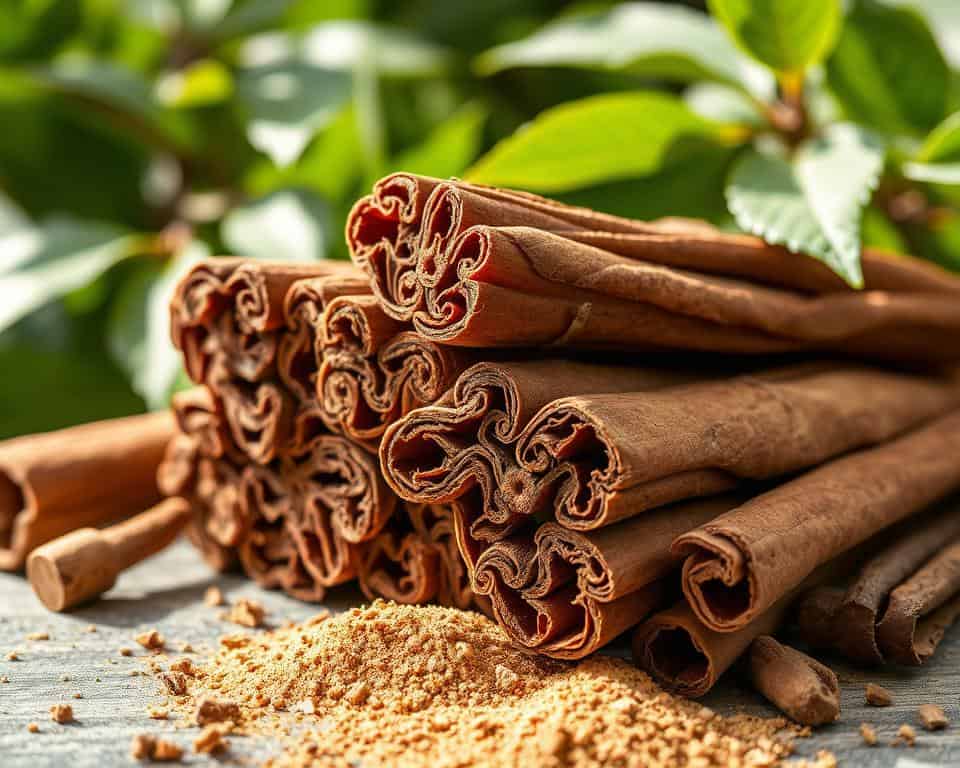
Ceylon cinnamon is often called “true cinnamon.” It has a gentle taste and less oil, lasting 1 to 2 years. But Vietnamese cinnamon can stay fresh for 2 to 3 years thanks to more oil and moisture. This makes it better for cooking and selling.
Vietnamese cinnamon grows in the north of Vietnam and high mountains. It helps Vietnam be a leading cinnamon maker. Its rich oil makes it great for cooking. It also helps make fragrant compounds and extracts around the world.
| Characteristic | Vietnamese Cinnamon | Ceylon Cinnamon |
|---|---|---|
| Oil Content | 3-5% | Lower |
| Flavor Profile | Strong, robust | Subtle, mild |
| Shelf Life | 2-3 years | 1-2 years |
| Primary Growing Region | Northern Vietnam | Sri Lanka |
Vietnamese cinnamon’s high oil content makes it very sought after. It’s perfect for many recipes and key for making quality oils and fragrances.
Culinary Uses of Vietnamese Cinnamon
Vietnamese Cinnamon, or Saigon Cinnamon, comes from Southeast Asia, especially Vietnam. It is rich in essential oils. So, it tastes stronger and better than other types. Chefs use it in many dishes and drinks because of its taste and smell.
In Savory Dishes
Using Vietnamese cinnamon can make savory dishes taste amazing. It adds a spicy warmth to meat dishes, like lamb tagine. It makes soups and curries taste sweet and full of flavor. Just a little bit can change a whole dish.
In Sweet Dishes
This spice is also great in sweet dishes. It makes treats like cinnamon rolls and spiced apple pie tastier. In Vietnam, it’s important for making desserts. It gives them a warm, sweet smell and taste that you won’t forget.
In Beverages
Vietnamese cinnamon also flavors drinks in a special way. It’s great in teas, coffees, and hot chocolates. It makes holiday drinks like mulled wine taste even better. This spice makes every sip enjoyable and full of flavor.
Health Benefits of Vietnamese Cinnamon
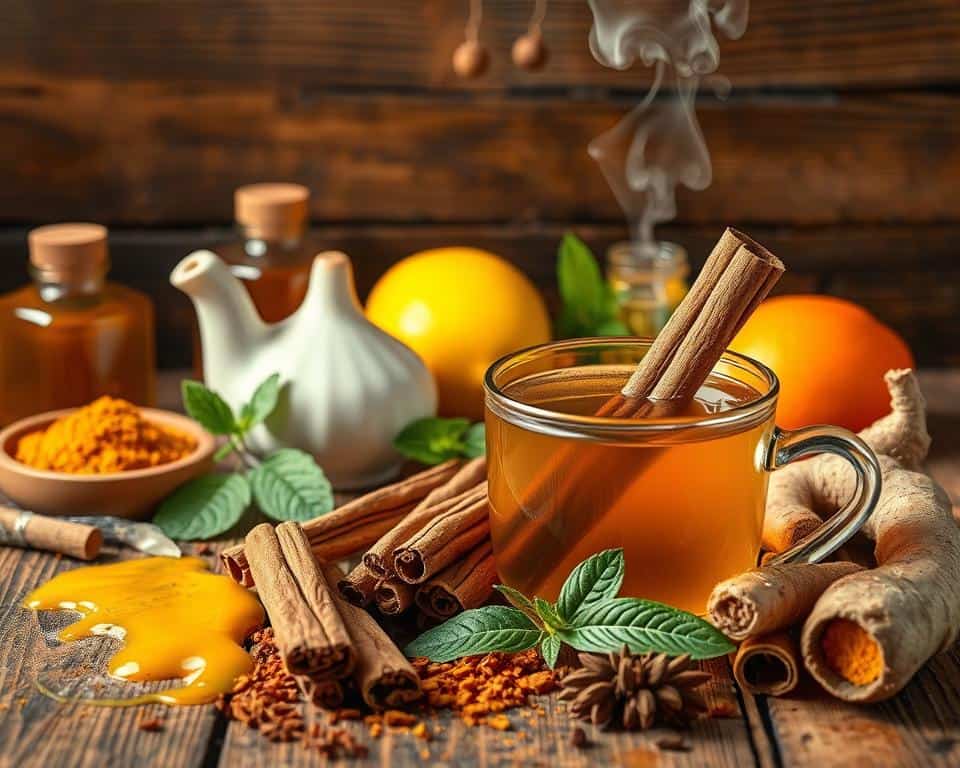
Vietnamese cinnamon, especially the Saigon type, has many health perks because of its cinnamaldehyde. This cinnamon is loved worldwide for its strong taste and health benefits.
Antioxidant Properties
This cinnamon is full of antioxidants like eugenol. These substances fight free radicals, protecting cells from damage. Adding this spice to your diet helps defend against damage caused by stress.
Anti-inflammatory Benefits
Vietnamese cinnamon is great for reducing inflammation. It has been linked to lower inflammation markers in serious conditions. Including this spice in your food can greatly reduce inflammation.
Diabetes Management
This cinnamon is also good for people with diabetes. It helps decrease insulin resistance and blood sugar levels. However, use Saigon cinnamon in moderation to avoid negative effects.
Essential Oil Content in Vietnamese Cinnamon
Vietnamese cinnamon is known for its rich essential oils content. Among these, cinnamaldehyde is the key, giving it its strong scent and taste. This spice is highly valued in aromatherapy and the food industry due to this reason.
The Vietnamese Pepper and Spice Association (VPSA) sees challenges in export rules. These rules don’t match with how cinnamon is produced or sold, impacting essential oils trade. The VPSA wants new rules to help exports, especially for value-added products.
Cinnamon processing is effective, generating much oil from pruned parts. For example, 150 tons of leaves and branches yield 1 ton of essential oil. By spring 2024, a large stockpile of about 400 tons, worth VND 400 million per ton, is expected.
The VPSA suggests seeing cinnamon essential oil as a versatile product. This could meet global food needs and allow more processing. It would also support sustainable farming, reduce CO2, and improve farmers’ lives. Companies must follow Decree 15/2018/ND-CP and export rules when shipping natural cinnamon essential oils for healthy food and drinks.
Below is a detailed comparison of different aspects concerning Vietnamese cinnamon and its essential oil content:
| Aspect | Details |
|---|---|
| Production Rate | 150 tons of leaves and branches produce 1 ton of essential oil |
| Estimated Stockpile (2024) | About 400 tons |
| Market Value | Approximately VND 400 million per ton |
| Global Demand | High, especially for food purposes |
| Compliance Requirements | Decree 15/2018/ND-CP and legal export regulations |
| Export Tax Rate | 0% |
| HS Codes | 09061100 (unground & uncrushed), 09062000 (ground & crushed) |
How Vietnamese Cinnamon is Processed
Vietnamese cinnamon is known worldwide for its quality. This is because of the careful way it’s processed. From the start of harvesting to how it’s stored, each step is done with care.
Harvesting Techniques
Cinnamon trees grow for 10-15 years before harvesting. The best times for harvesting are in the spring and autumn. In these seasons, workers peel the bark and sort it into three types. These types are based on thickness, quality, and oil amount.
There are two ways to get cinnamon bark. One is to take all the bark at once and cut down the tree. The other way is to harvest from the same tree over many years. Top exporters follow strict rules to ensure quality.
Drying and Storage Methods
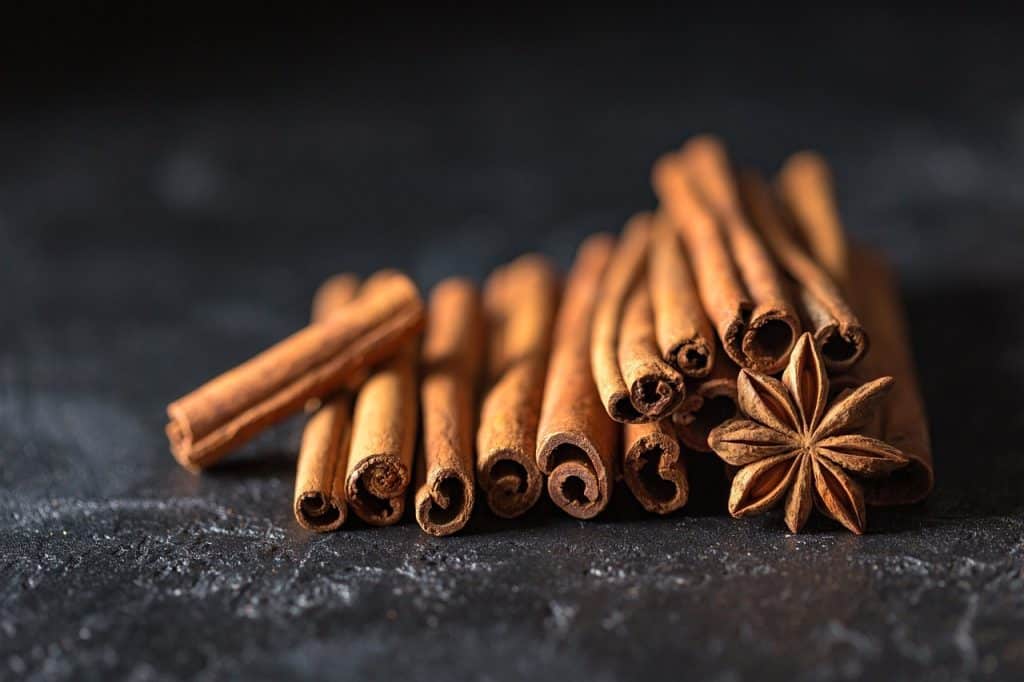
Once harvested, the cinnamon bark must be cleaned and dried properly. This step is important because it affects the moisture in the final product. The bark is then bundled and stored until it’s time for packaging.
How cinnamon is stored is very important for keeping its quality. It needs to be in the right environment to avoid moisture. Using the best storage methods keeps cinnamon in top condition, ready for customers all over the world.
| Harvesting Seasons | Types of Cinnamon | Storage Requirements |
|---|---|---|
| Spring (Feb-Mar), Autumn (Jul-Aug) | Trung Chau, Thuong Bieu, Ha Can, Chi | Dry, well-ventilated storage, away from moisture |
| 10-15 years tree growth | Grade A, B, Tea Cinnamon | Controlled temperature to maintain essential oil content |
| Single or multiple harvests | High essential oil content (3-5%) | Packaging for preservation and export |
Export Procedures and Regulations for Vietnamese Cinnamon
Exporting Vietnamese cinnamon requires following export procedures. Also, sticking to cinnamon regulations, and making sure of trade compliance. This knowledge is key for smooth exports.
Necessary Documents
To export Vietnamese cinnamon, several key documents are needed. They are crucial for trade compliance with international standards. Important documents include:
- Certificate of Origin
- Phytosanitary Certificate
- Commercial Invoice
- Packing List
These documents prove the cinnamon’s quality and authenticity. They meet the strict cinnamon regulations of importing countries.
Export Tariffs and HS Codes
Vietnamese cinnamon gets favorable export tariffs, at a 0% tax rate. Relevant HS Codes for cinnamon are:
| Product | HS Code |
|---|---|
| Unground and Uncrushed Cinnamon | 09061100 |
| Ground and Crushed Cinnamon | 09062000 |
Low tariffs and correct HS Code help meet trade compliance. They ensure easy customs clearance and keep prices competitive.
Quality Standards
Vietnamese cinnamon must meet high quality standards. This ensures it meets global expectations and cinnamon regulations. Standards include:
- Essential oil in broken cinnamon must be at least 3%
- Sticks can’t have more than 13.5% humidity and 1% impurities
- Powder must be 100% pure with 3-4% oil content
Meeting these standards ensures the cinnamon is safe and high quality. This is especially important for the EU market.
Following export procedures and trade compliance helps exporters. It makes Vietnamese cinnamon popular worldwide in its best form.
How to Identify Authentic Vietnamese Cinnamon
Authentic Vietnamese cinnamon, also known as Saigon cinnamon, stands out from other kinds. Learn how to spot real quality cinnamon. This is key to buying the real thing.
Vietnamese cinnamon is known for its exceptionally high oil content, giving it a bold, peppery flavor profile.
Here are key features for finding real spices:
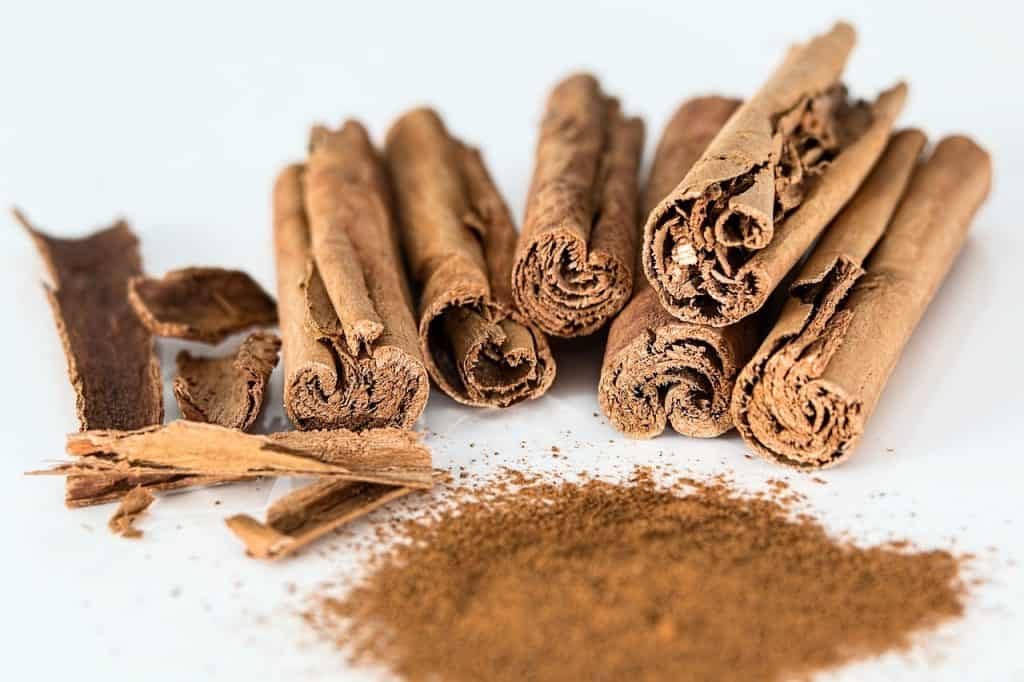
- Appearance: Look for thick quills with a single, hard layer. A darker color means it’s the real Vietnamese cassia.
- Aroma: Real Vietnamese cinnamon has a strong, spicy-sweet smell. It has wood-clove-musk-pepper notes. This scent is stronger than Ceylon cinnamon’s lighter, floral smell.
- Texture: Its bark is thick and hard to grind. This is unlike the softer Ceylon cinnamon sticks.
- Taste: It tastes bold and spicy. This strong taste comes from high levels of a compound called cinnamaldehyde.
When buying cinnamon, check where it comes from. Ceylon cinnamon, from Sri Lanka, is lighter and has citrus-floral notes. Meanwhile, Vietnamese cinnamon is darker and thicker, with a strong, peppery taste. Knowing these differences helps identify the type of cinnamon.
| Property | Vietnamese (Saigon) Cinnamon | Ceylon Cinnamon |
|---|---|---|
| Color | Dark Brown | Light Tan |
| Flavor | Bold, Spicy, Peppery | Delicate, Citrusy |
| Texture | Thick, Single Layer | Thin, Multiple Layers |
| Aroma | Strong, Pungent | Sweet, Mild |
Using these signs helps pick real spices. This ensures you buy the highest quality cinnamon for cooking.
Sustainability in Vietnamese Cinnamon Production
Vietnamese cinnamon is moving towards sustainability. This change is due to its environmental effects and the need for social accountability. Several initiatives aim to promote green farming techniques and improve the lives of those growing and processing cinnamon.
Environmental Practices
Vietnam is working to make cinnamon production more eco-friendly. The country has a large area for cinnamon trees. They focus on lowering carbon emissions. They found that making 1 kilogram of cinnamon bark releases about 1.5915 kilograms of CO2. Gasoline and diesel use cause over half of this.
A special project in Yen Bai province is helping many farmers. It plans to teach 300 farmers to grow sustainable cinnamon on 1,500 hectares. This project should certify 600 tons of cinnamon and raise farmers’ income by 10 to 15%. Vietnam produces a lot of cinnamon, ranking third globally.
Social Impact
Producing cinnamon in Vietnam helps local communities a lot, especially in remote areas. Many ethnic minority families work in this industry. It gives them a steady income and helps keep their culture alive.
Sustainable farming is about more than the environment. Some groups work with locals on sustainable and carbon-friendly farming. For example, farmers are learning farming methods that are good for nature and their communities.
| Aspect | Details |
|---|---|
| Total Production Area | Approximately 180,000 hectares |
| Annual Harvest | 70,000 to 80,000 tons |
| Carbon Emissions | 1.5915 kg CO2e per 1 kg of bark |
| Primary Emission Sources | Gasoline and diesel fuel |
| Sustainable Practices Training | Nedspice training 300 farmers |
| Certification Goals | 600 tons of sustainable cinnamon |
Where to Buy the Best Vietnamese Cinnamon
Looking to buy Vietnamese cinnamon? It is key to choose reputable spice suppliers. The Yen Bai province produces nearly 90% of Vietnam’s cinnamon, making it special. The region’s “Saigon” cassia is famous for its strong oil content and flavor.
Know the forms Vietnamese cinnamon comes in. You can find it as whole bark, powder, or broken pieces. These forms suit various cooking needs. Prices vary from $6.99 to $27.99, offering options for every budget. Split cinnamon is big in India and Bangladesh. Whole cinnamon is loved in South Korea, Taiwan, and Pakistan. Europe, America, and Latin America favor the ground version.
This spice is rich in essential oils, especially cinnamaldehyde, which gives it a unique smell. It is natural, gluten-free, kosher parve, and non-GMO. The spice stays fresh for 1.5 years. It works in many dishes, from sweet to savory. Choosing reputable spice suppliers ensures quality and true flavor.